
Samsung Galaxy Tab S12+ and Tab S12 Ultra Prices Spark Debate Among Buyers
The poll indicates that many potential buyers are not convinced.

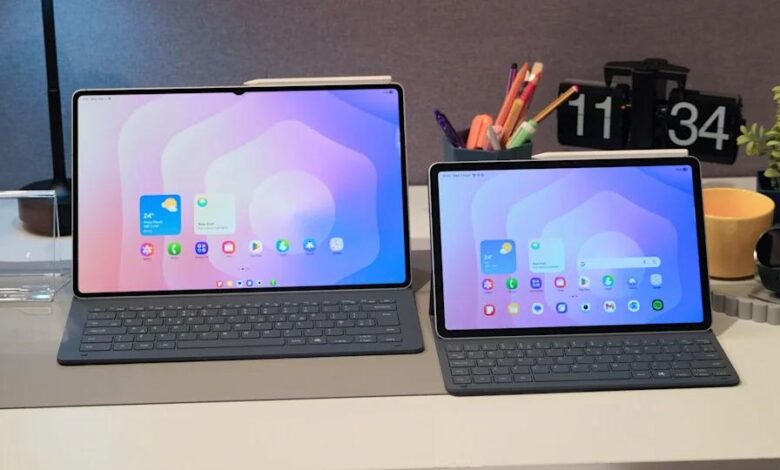
Samsung’s latest flagship tablets promise premium displays, powerful performance, and impressive productivity features, but their prices are making potential buyers reconsider their options. The Galaxy Tab S12+ and Galaxy Tab S12 Ultra offer high-end hardware, yet the latest reader poll suggests that many people would rather spend their money on a laptop or a more affordable tablet.
The biggest concern is value for money. With the Galaxy Tab S12 Ultra starting at $1,400 before purchasing its optional keyboard accessory, buyers can find laptops with powerful processors, more storage, and a physical keyboard for a similar price. The Galaxy Tab S12+ faces a similar challenge, with many potential buyers questioning whether its features justify the cost.
The poll results highlight a growing challenge for Samsung: convincing customers that an expensive Android tablet is a better investment than a laptop or a competing tablet.
Galaxy Tab S12 Ultra Faces Strong Price Competition
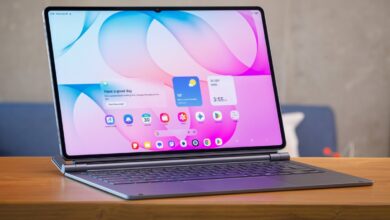
The Galaxy Tab S12 Ultra is Samsung’s most premium tablet in the new lineup, featuring a large 14.6-inch display and the MediaTek Dimensity 9500 processor. It also includes an 11,600mAh battery and a slim design aimed at users who want a powerful device for entertainment, multitasking, and creative work.
However, its starting price of $1,400 is difficult to ignore. The base configuration comes with 12GB of RAM and 256GB of storage, while the keyboard accessory costs an additional $380.
That pushes the price of a complete tablet-and-keyboard setup to around $1,780 before taxes or other potential expenses.
For that amount, buyers can consider several premium laptops that provide a more traditional computing experience. This makes the Ultra’s price particularly difficult to justify for people who need a device primarily for work, education, programming, or professional applications.
The tablet still has advantages, including touchscreen interaction, stylus support, portability, and the flexibility of Android. However, customers must decide whether those benefits are worth paying considerably more for a tablet-based setup.
The poll indicates that many potential buyers are not convinced.
MacBook Air Offers a Compelling Alternative
One of the most notable comparisons involves Apple’s MacBook Air. A 13-inch model with the M5 chipset, 16GB of RAM, and 512GB of storage is priced at around $1,300, while the 15-inch version costs approximately $1,500.
That puts the smaller MacBook Air below the Galaxy Tab S12 Ultra’s starting price while offering twice the storage capacity and a built-in keyboard.
For people who need a device for productivity, these differences matter. A laptop provides a desktop operating system, a physical keyboard, a trackpad, and compatibility with a broad range of desktop applications.

The MacBook Air may therefore be a more practical purchase for students, professionals, and creators who regularly work with documents, spreadsheets, development tools, or demanding software.
The Galaxy Tab S12 Ultra can still be the better choice for users who prefer handwriting, drawing, touchscreen navigation, or tablet-specific applications. But for buyers who simply want a powerful computer, the price comparison makes the MacBook Air difficult to overlook.
Samsung’s Own Galaxy Book6 Creates Another Challenge
The competition does not come only from Apple. Samsung’s Galaxy Book6 laptop lineup also offers an alternative for customers considering the Tab S12 Ultra.
A 16-inch Galaxy Book6 with a touchscreen, an Intel Core Ultra 7 355 processor, 16GB of RAM, and 512GB of storage is priced at around $1,450. A non-touch version is available for less, although it comes with a different processor configuration.
This creates an interesting situation for Samsung. Customers shopping for a premium device from the same brand can choose between a large Android tablet and a Windows laptop at broadly similar prices.
The Galaxy Book6 offers the advantages of Windows 11, including traditional desktop applications, familiar file management, and a laptop-style working environment. Meanwhile, the Galaxy Tab S12 Ultra focuses on portability, touchscreen interaction, and the Android ecosystem.
Neither device is automatically better for everyone. The choice depends on how people work and which applications they use. Nevertheless, the Galaxy Book6 comparison makes the Ultra’s pricing harder to defend for buyers who do not specifically need an Android tablet.
Could Android-Powered Googlebooks Be the Better Deal?
Another alternative is the emerging category of laptops designed to run Android applications.
An Acer Googlebook 14 configuration with a 14-inch 2.8K OLED display, an Intel Core Ultra 5 processor, 16GB of RAM, and 512GB of storage is priced at around $900.
This is substantially less expensive than the Galaxy Tab S12 Ultra, even though the laptop offers a large OLED display and a traditional computer form factor.
For buyers who want access to Android applications but prefer working on a laptop, this type of device could be an appealing alternative.
However, the experience will depend on software compatibility, the operating system’s capabilities, and whether the applications users rely on work well in a laptop environment. Buyers should also check which features are available in their market before making a decision.
Even with those considerations, the price difference highlights why some customers may hesitate to spend flagship-laptop money on a tablet.
Galaxy Tab S12+ Struggles to Stand Out
The Galaxy Tab S12+ faces a different set of challenges. Its 12.6-inch display and Dimensity 9500 processor make it a capable premium tablet, but its $1,200 starting price places it alongside other expensive devices.
The poll results show that only 10% of respondents preferred the Galaxy Tab S12+. Around 10.2% favoured a smaller tablet, while 9.7% preferred an iPad.
These figures suggest that the S12+ struggled to establish a clear advantage among the people considering it. The percentages represent the reported preferences within the poll, not the opinions of every tablet buyer.
One possible explanation is the absence of a smaller standard Galaxy Tab S12 model in the lineup. Some users may want a premium Samsung tablet without committing to the size and cost of the Ultra, while others may prefer a more compact device that is easier to carry.
The Galaxy Tab S12+ does offer improvements over older hardware, including a larger display and a bigger battery than its predecessor. However, customers upgrading from a relatively recent tablet may not find enough new features to justify the price.
The Galaxy Tab S12 Ultra Also Faces Upgrade Concerns
Price is not the only issue. The Galaxy Tab S12 Ultra also offers relatively modest changes compared with the previous generation.
Its newer chipset brings performance improvements, but the display size and battery capacity remain unchanged. Users who already own the Galaxy Tab S11 Ultra may therefore struggle to find a compelling reason to upgrade.
Some buyers may prefer to see more substantial improvements, such as a different display technology, a larger battery, or other meaningful hardware changes.
There are still features worth appreciating. Samsung has retained microSD card support, allowing users to expand storage without relying entirely on internal capacity or cloud services. This remains a useful advantage for people who store large files, videos, documents, and creative projects on their tablets.
However, retaining useful features is not always enough to justify an annual upgrade, particularly when the starting price is high.
Why Premium Tablet Pricing Matters
The poll highlights a broader issue affecting the premium tablet market. As flagship tablets become more powerful, their prices increasingly overlap with those of laptops.
A tablet can be excellent for reading, drawing, taking notes, watching videos, and completing everyday tasks. Adding a keyboard can also make it useful for writing and light productivity.
However, the total cost changes the equation. When buyers must pay extra for accessories, the final price can approach or exceed that of a laptop with more storage, a physical keyboard, and desktop software support.
For students and professionals, the best choice depends on the intended workload. A tablet may be ideal for stylus-based work and portable entertainment, while a laptop can be more suitable for programming, professional applications, and complex multitasking.
This is why premium tablet manufacturers need to offer more than impressive specifications. Buyers must feel that the device provides a meaningful advantage over alternatives at the same price.
Final Verdict
The Galaxy Tab S12+ and Galaxy Tab S12 Ultra offer premium hardware, but their high prices are making potential buyers look elsewhere.
The Ultra remains attractive to people who specifically want a large Android tablet with stylus support and a premium display. The S12+ may also appeal to users who prefer its size and feature set.
However, the latest poll suggests that many potential customers would rather consider a MacBook, a Windows laptop, a Googlebook, or another tablet instead.
For Samsung, the challenge is clear: premium tablets need to justify their prices not only through performance and design but also through their practical advantages over competing devices.
Until prices become more attractive or future models deliver more substantial upgrades, many buyers may find that a laptop offers better overall value for their money.