





Samsung One UI 9 Shows Why Stable Updates Matter More Than New Pixel Features
Samsung has also introduced a new FanCam mode in its camera application and improvements to Samsung Notes.

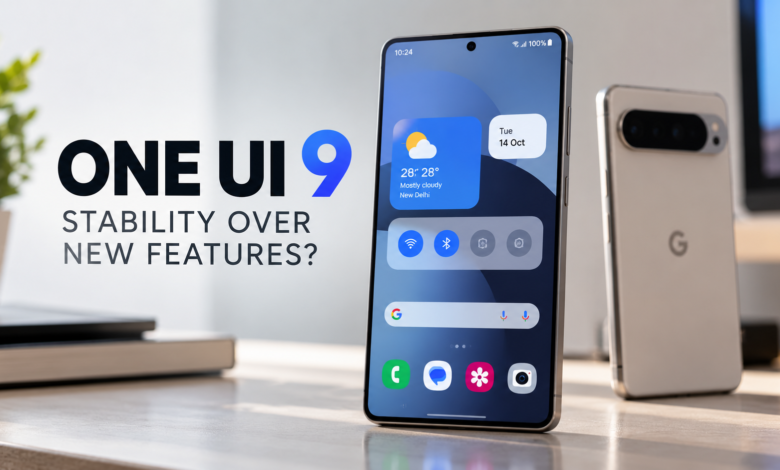
Smartphone users love getting new features, but what happens when a software update introduces more problems than improvements? Samsung’s latest One UI 9 update is making that question increasingly relevant, as its focus on stability and everyday usability offers a different approach from Google’s feature-packed Pixel updates.
Rather than introducing a dramatic redesign or a long list of flashy additions, Samsung appears to be concentrating on refining the existing experience. The result, according to a recent hands-on assessment, is a phone that feels smoother and delivers more consistent battery performance.
This approach highlights an important point for smartphone manufacturers: new features may attract attention, but reliable software is what users depend on every day. Google’s Pixel phones are known for receiving frequent updates and exclusive features, yet reports of battery drain, freezing, and performance problems have raised concerns about whether every update delivers the experience users expect.
One UI 9 Focuses on Stability Instead of Major Changes
Samsung’s One UI 9 update is relatively modest compared with previous software releases. Instead of completely transforming the interface, it concentrates on smaller improvements intended to make Galaxy phones more dependable.
The update includes refinements to existing features, along with changes to widgets, Quick Settings, and selected Samsung applications.
Now Brief and Now Nudge receive attention through customisable information cards and feeds. Users can adjust the information presented to better suit their preferences, while a dedicated Finder widget can sit alongside the Google search widget on the home screen.
These additions are particularly useful on supported Galaxy Z Flip devices, where compatible widgets can also be displayed on the cover screen. This allows users to access selected applications and information without always unfolding their phones.
Quick Settings also receives practical adjustments, including more flexible resizing and button positioning. These changes may not look revolutionary, but they can make everyday interactions more convenient.
Samsung has also introduced a new FanCam mode in its camera application and improvements to Samsung Notes.
Overall, One UI 9 does not attempt to reinvent the smartphone experience. Instead, it builds on familiar tools and focuses on making them more useful and dependable.
Why Google’s Pixel Updates Are Facing Criticism
Google has built a reputation for delivering Android updates and introducing new features to Pixel devices through regular software releases and Pixel Feature Drops.
These updates can bring improvements to photography, artificial intelligence, system customisation, and other parts of the user experience. However, frequent releases can become frustrating when they introduce bugs that affect essential functions.

The comparison comes from a personal assessment of the Google Pixel 9 Pro XL, where recent updates reportedly caused battery drain and stability problems.
One particularly frustrating issue involved the phone losing a substantial amount of battery power while sitting mostly idle. The problem reportedly continued for several days, making it difficult to rely on the device throughout the day.
Other updates were associated with issues such as camera freezing, display interruptions, and inconsistent performance.
These experiences illustrate why software reliability matters so much. A smartphone can receive impressive new capabilities, but those additions become less appealing when the device starts behaving unpredictably.
It is important to remember that these are individual experiences rather than proof that every Pixel phone or software update suffers from the same problems. Performance can vary depending on the device, installed applications, software version, and other factors.
Nevertheless, the underlying concern is worth considering: frequent updates should improve the overall experience, not leave users wondering whether their phones will develop new problems.
Samsung’s Approach Could Be a Better Balance
The main argument in favour of Samsung’s strategy is that software development should prioritise dependable performance alongside new features.
The experience reported with the Galaxy Z Flip 7 suggests that One UI 9 delivers a smoother and more consistent experience than the previous software version. Navigation reportedly feels less stuttery, while battery performance appears more predictable.
Although the improvement does not transform the phone into a device that easily lasts an entire day under every usage pattern, the more consistent power consumption is still a welcome change.
For users, predictable performance can be more valuable than a collection of new tools that they rarely use.
A stable smartphone should handle everyday tasks such as messaging, browsing, photography, navigation, and multitasking without unexpected interruptions. Improvements to these fundamental experiences can make a device feel better even when the update introduces relatively few headline features.
Samsung’s more cautious approach therefore offers a useful reminder that software quality is not measured by the number of new features alone.
Smaller Updates Can Deliver Meaningful Improvements
There is a tendency for smartphone manufacturers to promote major updates through long feature lists and impressive demonstrations. While these additions can be exciting, they do not necessarily represent the most important changes for users.
A small improvement to battery management, smoother animations, or fewer application crashes can have a greater effect on everyday satisfaction than a new feature that is rarely used.
This is especially true for people who keep their phones for several years. They need their devices to remain reliable as applications become more demanding and software evolves.
A measured update strategy can also help manufacturers identify and resolve problems before introducing additional complexity. However, smaller updates are not automatically better, and a limited feature set does not guarantee that a release will be bug-free.
The real goal should be to combine useful new capabilities with thorough testing, effective optimisation, and a dependable rollout process.
Google Does Not Need to Abandon Pixel Feature Drops
Samsung’s approach does not necessarily mean Google should stop introducing new features to Pixel phones.
Pixel Feature Drops remain an important part of Google’s smartphone strategy, allowing the company to deliver new capabilities beyond major Android releases. These updates can provide genuine value when they work as intended.
The problem arises when users feel that new additions are arriving at the expense of stability.
Google could benefit from placing greater emphasis on regression testing, battery performance, and reliability before rolling out substantial changes to a broad audience. More careful monitoring after release could also help identify problems quickly.
At the same time, Samsung must continue improving its own software. A focus on stability should not become an excuse for neglecting innovation, and Galaxy users still expect meaningful upgrades over time.
The strongest strategy for either company would be to introduce useful features while ensuring that the basic smartphone experience remains smooth and dependable.
What This Means for Galaxy and Pixel Users
For people choosing between a Samsung Galaxy phone and a Google Pixel, software reliability is an important factor, but it should not be the only consideration.
Samsung’s One UI offers extensive customisation, additional system tools, and close integration with the Galaxy ecosystem. Google’s Pixel experience focuses on its own Android features, AI capabilities, and integration with Google services.
The better option depends on personal preferences, supported features, hardware, and how each device performs in everyday use.
Users should also remember that software behaviour can differ between models and updates. One person’s positive experience with a Galaxy phone does not guarantee identical results for every Samsung device, just as problems on one Pixel model do not establish that the entire Pixel lineup is unreliable.
For current owners, keeping software updated is generally important for security and compatibility. If an update causes unusual battery drain or performance issues, checking battery usage, restarting the phone, and looking for subsequent fixes may help identify the cause.
Final Verdict
Samsung’s One UI 9 demonstrates why thoughtful refinement can be just as important as introducing exciting new features. Its reported improvements to responsiveness and battery consistency highlight the value of making existing capabilities work better.
Google’s Pixel updates still offer useful features, but reports of software bugs serve as a reminder that frequent releases must be supported by careful testing and optimisation.
Ultimately, smartphone users should not have to choose between innovation and reliability. Samsung and Google both have an opportunity to deliver the best of both worlds: meaningful new capabilities, smooth performance, dependable battery life, and updates that improve the experience rather than complicate it.